





The Real Reason Some Japanese Wagyu Is Better Than Others (It’s Not the Grade)
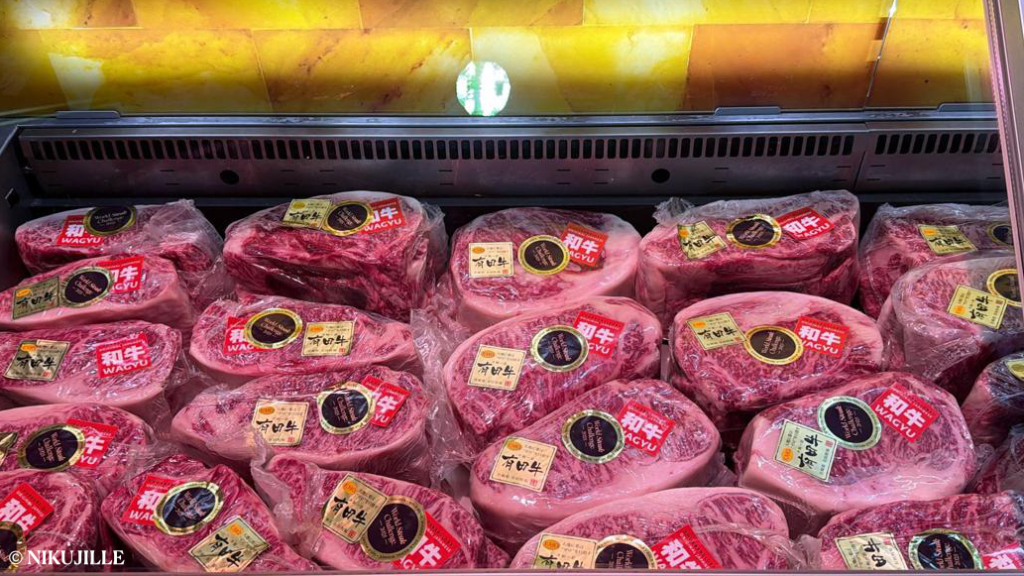
Grade. Marbling. Price per kilo. These are the numbers everyone talks about when they buy Japanese Wagyu.
But there’s a question hiding underneath all of them that matters just as much to a restaurant or distributor: will next month’s shipment taste like this month’s?
“Wagyu” Is a Category, Not a Guarantee
The word “Wagyu” tells you the breed. It doesn’t tell you which farm the animal came from, how it was raised, or what’s actually going to show up in the box.
Some lower-priced or non-branded Wagyu moves through supply chains where the source farm changes shipment to shipment. That’s not automatically a quality problem, plenty of non-branded suppliers are perfectly consistent. The real question is whether the supplier can actually document and control where the product comes from. For a restaurant staking its reputation on a Wagyu dish, that’s the question that counts.
Your Customers Are Doing a Consistency Test Whether You Know It or Not
Someone orders your Wagyu ribeye in March. They come back in May expecting the same experience.
If the marbling, texture, or flavor has drifted, they won’t blame the supply chain. They’ll blame the restaurant.
That’s the quiet cost of inconsistency: it doesn’t show up as a complaint about beef, it shows up as a dent in how customers see you.
Why Provenance Is the Whole Point at NIKUJILLE
NIKUJILLE’s supply runs through direct relationships with producers, built on a long history of raising Japanese Black cattle in Miyazaki.
The goal was never just chasing the highest grade. It’s controlling the fundamentals: feed, raising conditions, origin, and how the product actually moves from farm to buyer.
That gives you something a generic “Japanese Wagyu” label can’t: a real story behind the product, and a real answer when a customer asks where it came from.
Consistency Isn’t Just Quality Control, It’s a Sales Pitch
When you can tell your restaurant customers exactly where the Wagyu comes from, who raised it, and what to expect next time they order, you’re not just delivering meat. You’re giving them something to build a menu story around.
That’s a very different business than reselling whatever Wagyu happens to be cheapest this week.
Price Sells Once. Trust Sells Forever.
There will always be a market for Wagyu sold purely on price. But building a premium category on price alone is building on sand.
Provenance creates trust. Consistency creates confidence. Quality creates repeat business.
At NIKUJILLE, we connect overseas buyers with Wagyu they can understand, trust, and confidently put in front of their own customers, because the value of premium Wagyu isn’t just what’s in today’s box. It’s knowing exactly what you’re getting when you order again. That’s what our own brands are built on, so when you order Arita Wagyu this month and Arita Wagyu again in three months, your customers get the same story and the same experience every time.
Ask us which of our brands fits your menu and your market, and we’ll walk you through what makes each one consistent, documented, and worth putting your name behind. Contact us here.
