






Chilled or Frozen Japanese Wagyu? What Actually Matters
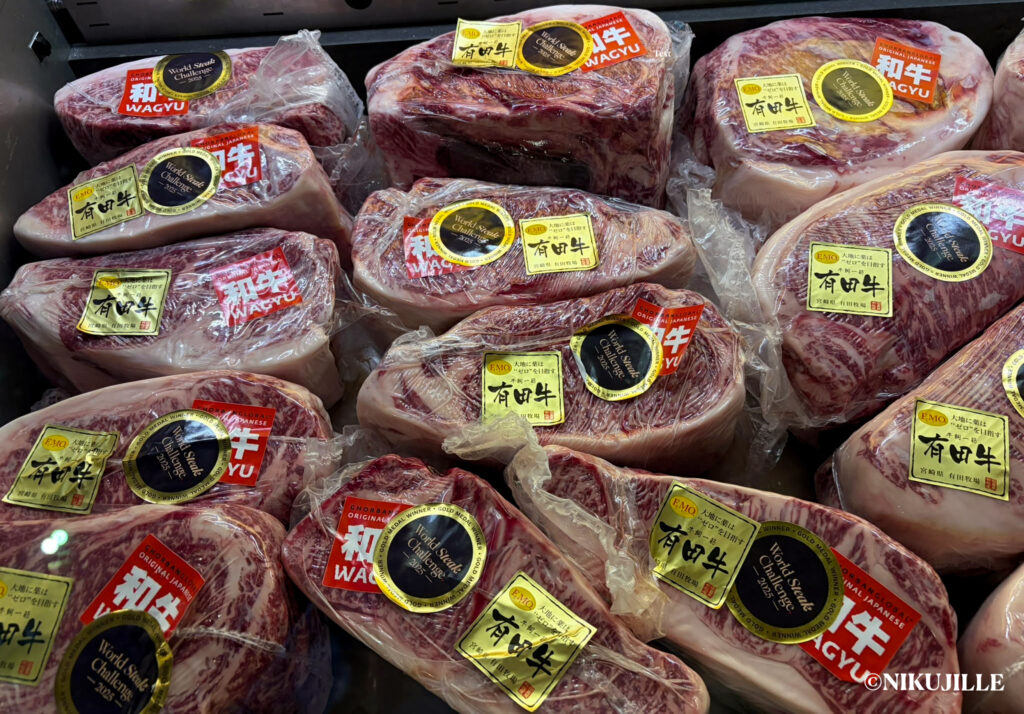
- What’s actually different?
- When chilled earns its premium
- When frozen quietly wins
- Frozen doesn’t mean lesser
- The logistics tell the real story
- Sticker price isn’t the same as total cost
- The secondary cuts nobody talks about
- So which one is right? It depends on the business.
- The right format is the one that actually works for you
When people talk about buying Japanese Wagyu, the conversation almost always jumps straight to grade and cut. A5 or A4? Ribeye or Striploin? How much can you actually get your hands on?
But there’s a decision hiding in plain sight that can matter just as much as the grade stamped on the box: chilled or frozen? Get it wrong, and even A5 can underperform. Get it right, and even a “lesser” frozen cut can outshine expectations in the kitchen.
What’s actually different?
Strip away the mystique and the difference is mechanical.
Chilled Wagyu stays at refrigerated temperatures the entire way, from processing to plate, never frozen. Frozen Wagyu is frozen shortly after processing and kept that way until it lands in the customer’s kitchen.
Simple on paper. But that one variable reshapes everything downstream: shelf life, storage cost, inventory flexibility, and how a restaurant or distributor can realistically work with the product day to day.
When chilled earns its premium
Chilled Wagyu shines when freshness and presentation are the whole point.
For a high-end restaurant with regular deliveries, chilled beef can go straight from delivery to kitchen, no waiting. That matters when Wagyu is front and center on the menu and every plate needs to look consistent.
Chilled tends to make sense when:
- Demand is steady and predictable
- Product moves fast, not sitting around
- The supply route is dependable
- Storage is genuinely built for chilled product
- The kitchen wants to work fresh, full stop
For businesses that check these boxes, paying more for chilled logistics isn’t a luxury. It’s a smart bet. But chilled isn’t automatically the smarter one.
When frozen quietly wins
Frozen Wagyu plays a different game entirely, and its biggest weapon is flexibility.
A distributor rarely knows exactly how much ribeye, striploin or short rib next month will demand. Frozen inventory buys breathing room. It lets a business hold stock and respond to real demand instead of racing a shelf-life clock.
Frozen tends to make more sense for:
- Distributors building out inventory
- Restaurants where Wagyu demand is unpredictable
- Customers a long way from Japan
- Larger volume orders
- Secondary cuts that don’t move as fast
- Product headed for further portioning or prep
A restaurant that features Wagyu occasionally, rather than daily, may actually be better served by frozen. It’s the practical choice dressed up as the “backup” one.
Frozen doesn’t mean lesser
Here’s a myth worth killing: chilled is premium, frozen is a downgrade.
That’s simply not true.
What actually determines quality isn’t the freezer, it’s the process. Wagyu that’s flash-frozen shortly after cutting, vacuum-sealed to prevent freezer burn, and thawed slowly and correctly before use retains its texture, marbling integrity, and flavor. The gap in quality that people associate with “frozen” almost always comes from poor handling somewhere in that chain, not from the act of freezing itself.
A well-produced Wagyu product, properly handled through the freezing process, performs beautifully in a professional kitchen. In some cases, freezing is the very thing that makes a product commercially viable, because it lets the customer hold stock and deploy it exactly when needed.
So the real question was never “chilled or frozen?”
It’s: what are you actually trying to achieve with this product?
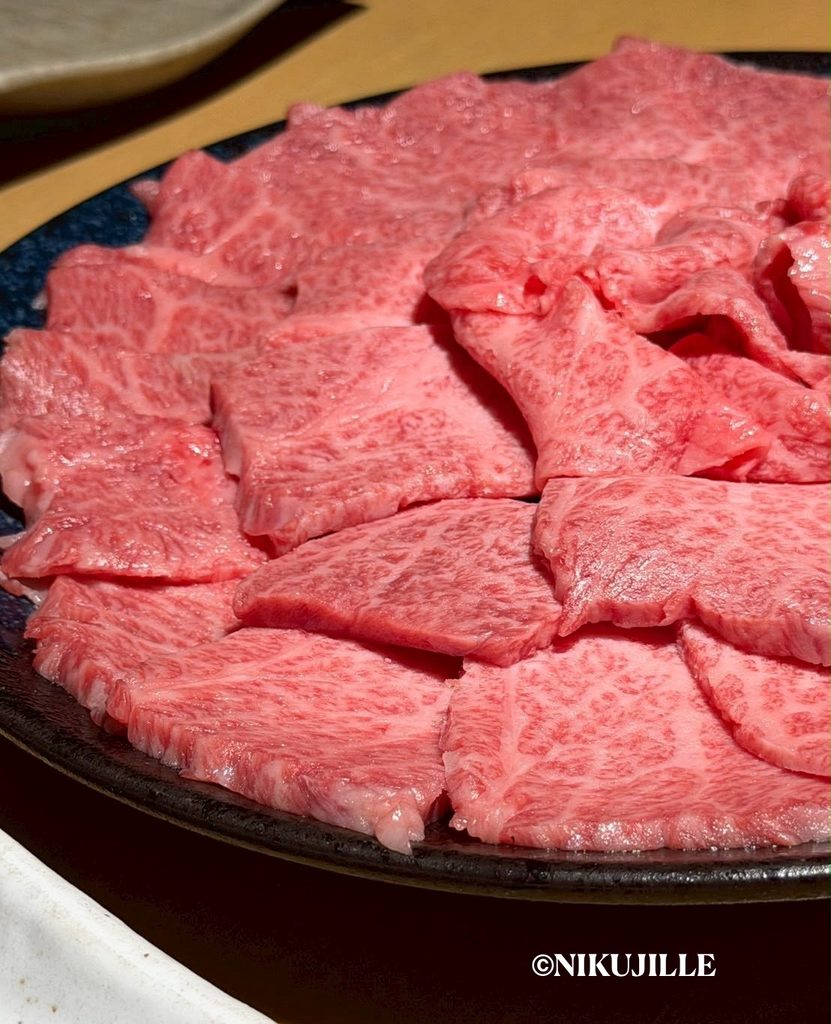
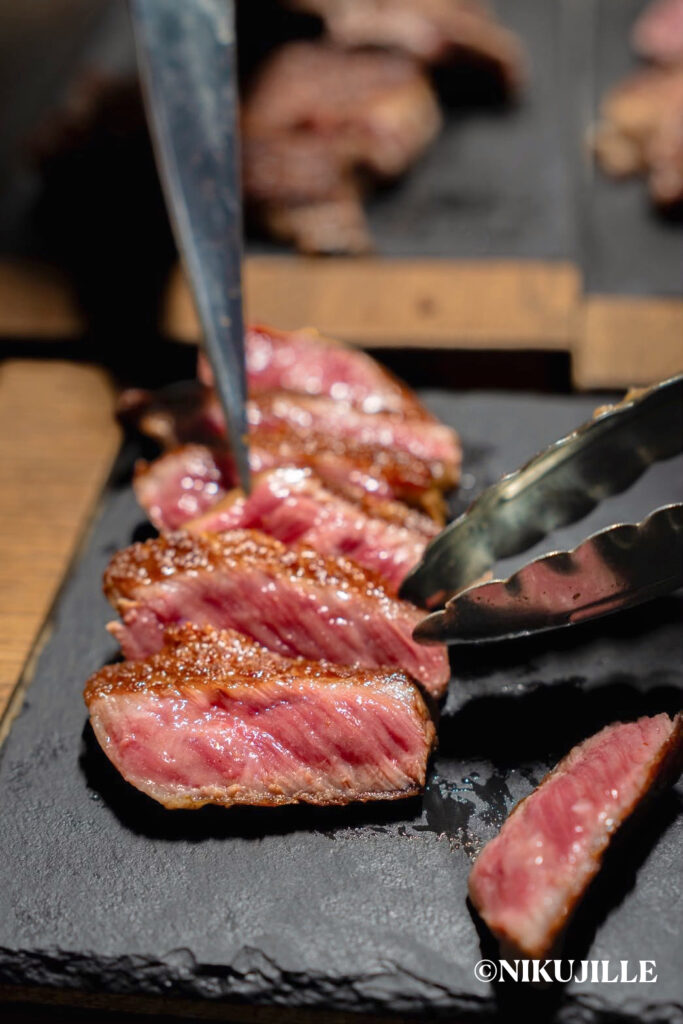
The logistics tell the real story
Japanese Wagyu often travels a long way before it lands on a plate. For an overseas buyer, chilled versus frozen isn’t just a product decision, it’s a logistics decision in disguise.
A restaurant close by with frequent shipments can work comfortably with chilled. A distributor juggling multiple customers across a sprawling country will likely lean on frozen inventory that can sit, wait, and get released exactly when it’s needed.
The farther the product travels and the messier the distribution network gets, the more that inventory flexibility starts to matter more than the price tag.
Sticker price isn’t the same as total cost
Chilled logistics cost more up front: faster shipping, tighter temperature control, less room for delay. Frozen has its own costs too, storage space, freezer capacity, and slower turnaround if something needs to move fast.
But the cheapest option on paper isn’t always the cheapest option in practice. Chilled product that spoils before it sells is a loss, no matter how good the unit price looked at purchase. Frozen product that ties up freezer space without moving is a different kind of cost. The real comparison isn’t unit price, it’s landed cost against actual usage: what you paid, what you used, and what you wasted.
The secondary cuts nobody talks about
This is where frozen Wagyu gets genuinely interesting.
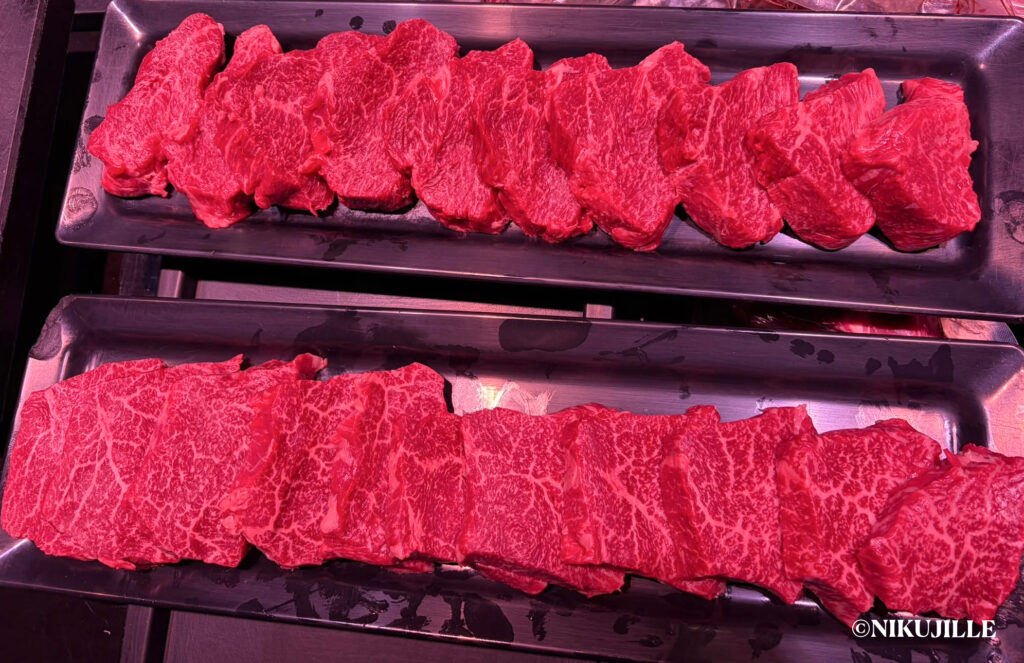
The international market obsesses over three cuts: ribeye, striploin, tenderloin. But a Wagyu carcass is so much more than that trio. Short rib, chuck, bavette, skirt, tri-tip, rump, there’s a whole world of cuts with real potential in a professional kitchen that rarely gets a look.
Some of these simply don’t move fast enough to justify holding them as chilled inventory for every distributor. Frozen changes that equation. It lets a wider range of cuts get introduced without pressuring the customer to use them immediately, opening the door for restaurants and distributors to think past the standard Wagyu steak.
So which one is right? It depends on the business.
A luxury steakhouse with rock-solid, consistent Wagyu sales? Probably chilled.
A distributor supplying a dozen restaurants across a region? Probably frozen.
A restaurant testing a new Wagyu menu for the first time? Frozen lets them experiment without the pressure of a ticking clock.
A buyer ordering in bulk? Frozen’s flexibility usually wins out.
And sometimes, the smartest program isn’t either one, it’s both.
The real work is looking at the whole picture: cut, grade, volume, application, storage, logistics, and expected turnover. None of it works in isolation.
The right format is the one that actually works for you
Japanese Wagyu often gets talked about as though there’s one “correct” way to buy it. In reality, good purchasing decisions are messier and more interesting than that. The best product isn’t necessarily the priciest cut. And the best format isn’t necessarily chilled.
A good Wagyu program matches the product to the business, not the other way around.
At NIKUJILLE, we work with both chilled and frozen Japanese Wagyu, because different customers have different realities to work within. Our job isn’t to push one format as superior. It’s to understand exactly how you intend to use the product and help you land on the option that actually makes sense for your operation.
Not sure which format fits your program? Talk to our team and we’ll help you figure it out.
