






What Determines the Taste of Wagyu?
- A Practical Guide Beyond Grades for Chefs and Importers
- Introduction
- 1. Conclusion: Wagyu Flavor Is the Result of Total Design, Not Fat Quantity Alone
- 2. The Four Core Elements That Define Wagyu Flavor
- 3. Production Factors That Influence Flavor (Beyond What Grades Show)
- 3-1. Breed and Bloodline
- 3-2. Feeding Design and Fattening Philosophy
- 3-3. Environment and Stress Management
- 4. How Should Grades (A4, A5, BMS) Be Used?
- 5. “Delicious Wagyu” Depends on the Dish
- 6. A Practical Evaluation Perspective for Chefs and Importers
- 7. Summary
A Practical Guide Beyond Grades for Chefs and Importers
Introduction
The taste of Wagyu is not determined by grade alone. Aroma, fat quality, umami in lean meat, production design, and suitability for specific dishes all shape its true flavor.
1. Conclusion: Wagyu Flavor Is the Result of Total Design, Not Fat Quantity Alone
When people think of Wagyu, they often associate it with heavy marbling and top grades such as A5. These grading standards are important and play a critical role in ensuring a certain level of quality.
However, in real culinary settings, grade alone does not guarantee superior flavor. Many chefs and buyers discover that Wagyu’s eating quality depends on:
- How the cattle were raised
- The balance between fat, lean meat, and aroma
- How the meat is ultimately used in cooking
Grading should be seen as an entry point—not the final answer to flavor.
2. The Four Core Elements That Define Wagyu Flavor
To evaluate Wagyu accurately, it is useful to break flavor down into four components. This framework also works well as a shared language between producers, buyers, and chefs.
2-1. Aroma
Aroma is one of the most distinctive characteristics of Wagyu. When heated, high-quality Wagyu releases a sweet, rich aroma that strongly influences perceived deliciousness.
This aroma is affected by:
- Feeding programs
- Fat characteristics
- Individual cattle maturity
Aromas may lean toward milky, nutty, or clean profiles. Importantly, aroma cannot be judged visually—it must be experienced through cooking and tasting.
2-2. Fat Quality
While marbling level is measured by BMS, what truly matters in eating quality is how the fat melts and finishes on the palate.
Key considerations include:
- Melting temperature
- Mouthfeel
- Heaviness or lightness after eating
Even Wagyu with the same BMS can feel completely different depending on the dish and cooking method. In many international markets, a clean and light finish is especially valued.
2-3. Umami in Lean Meat
Lean meat forms the backbone of Wagyu flavor. Amino-acid-derived umami, mineral depth, and lingering aftertaste all come from the lean portion.
For applications such as:
- Steak
- Roasting
- Tartare
strong lean umami is essential. Even highly marbled Wagyu can taste one-dimensional if the lean component lacks character.
2-4. Texture
Texture includes fiber fineness, tenderness, and juiciness. It is influenced not only by cut, but also by:
- Individual variation
- Finishing methods
- Overall meat structure
Texture directly affects heat tolerance and cooking flexibility, making it a critical consideration for professional kitchens.
3. Production Factors That Influence Flavor (Beyond What Grades Show)
3-1. Breed and Bloodline
Even within Japanese Black Wagyu, bloodlines differ significantly. These differences affect marbling patterns, aroma expression, and lean meat characteristics.
As a result, Wagyu with similar visual appearance can deliver very different eating experiences.
3-2. Feeding Design and Fattening Philosophy
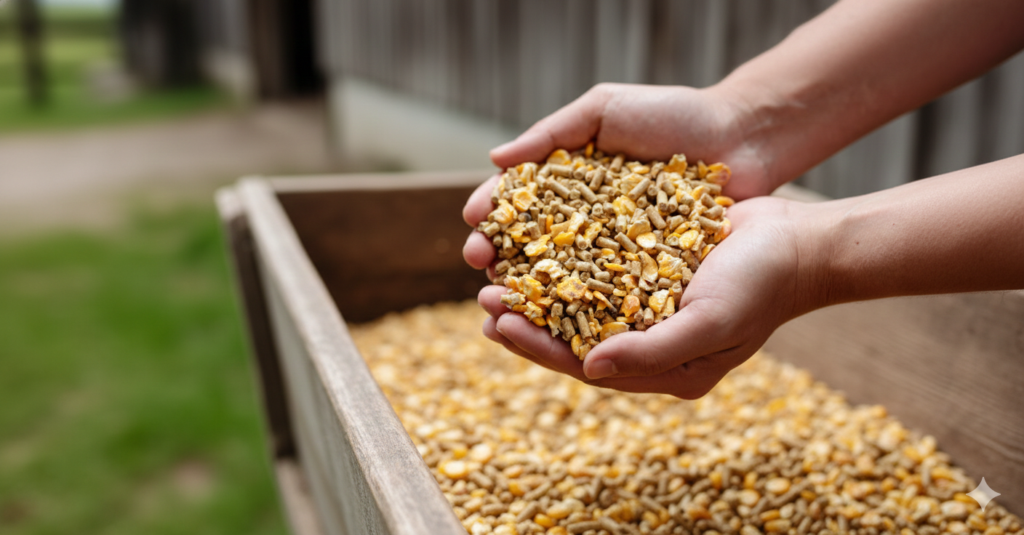
Flavor direction is largely determined by how cattle are raised and what priorities guide their feeding program.
Some producers focus on maximizing marbling, while others aim for balance between fat, aroma, and lean umami. These are not right-or-wrong choices, but intentional design decisions.
Flavor individuality should be understood as a result of philosophy, not a defect.
3-3. Environment and Stress Management
Housing conditions and stress management can influence not only yield but also meat consistency.
In some cases, variations in eating quality between lots can be traced back to environmental factors rather than grading differences.
4. How Should Grades (A4, A5, BMS) Be Used?
Grading is a valuable indicator of fat distribution and overall quality level. It remains an essential screening tool.
However, grading alone does not reveal:
- Aroma quality
- Fat finish
- Lean umami strength
For this reason, grades are best used as a first filter, followed by sensory evaluation and application-based assessment.
5. “Delicious Wagyu” Depends on the Dish
Wagyu quality cannot be separated from its culinary application.
- Steak: Balance of aroma and lean umami, heat tolerance
- Yakiniku: Fat melting behavior and clean finish
- Sukiyaki / Shabu-shabu: Sweetness of fat and fine texture
Rather than searching for “the best Wagyu,” professionals benefit more from selecting the right Wagyu for each dish.
6. A Practical Evaluation Perspective for Chefs and Importers
To achieve consistency and repeatability, evaluation should combine:
- Visual indicators (grade, marbling)
- Sensory testing (aroma, aftertaste)
- Intended culinary use
Being able to articulate why a Wagyu performs well allows for more precise purchasing decisions and more reliable results in the kitchen.
7. Summary
Wagyu flavor cannot be explained by a single metric.
By respecting grading systems while understanding aroma, fat quality, lean umami, and production philosophy, buyers and chefs can select Wagyu that delivers true value in real culinary contexts.
This understanding is essential for building sustainable, long-term success with Wagyu in international markets.
