






A5 vs. A4 vs. A3: What Wagyu Grading Actually Tells a Buyer
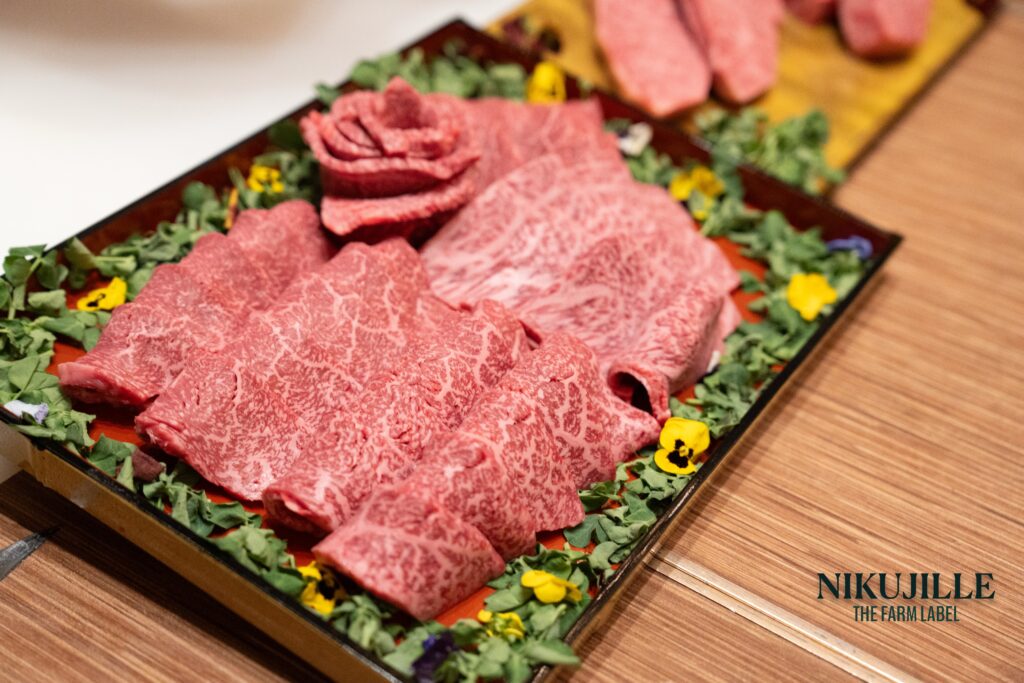
A buyer emails us asking for “the best Wagyu we have.”
We usually answer with a question of our own: best for what?
That’s not a dodge. It’s the actual job. Japan’s grading system is precise, but it was never built to tell you which grade fits your restaurant, your price point, or your customer. It tells you what’s on the carcass. The rest is up to whoever’s buying.
What the letter and number are actually measuring
A grade like A3, A4 or A5 contains two separate measurements stacked into one label, and buyers often treat it as one thing when it’s really two.
The letter (A, B, C) is yield grade. It estimates how much saleable meat comes off the carcass relative to its size. A is the highest yield. This has nothing to do with taste; it’s a butchery efficiency number.
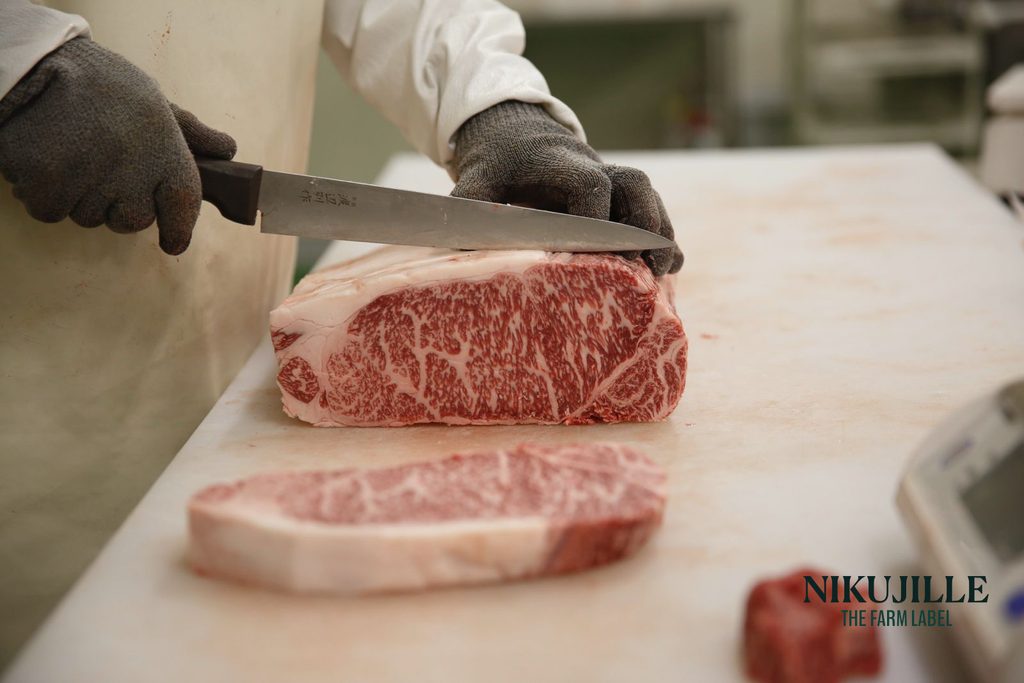
The number (1 to 5) is quality grade. It’s based on four factors:
- Marbling
- Meat color and brightness
- Firmness and texture
- 脂肪の色と質
No one tastes the beef during this process. Not once.
So when someone asks for “A5,” what they usually mean is “the most marbled.” That’s a legitimate thing to want. It’s just not automatically the right thing to want.
Grade is not the same as taste
An A5 carcass is not automatically more delicious than an A4 or A3 carcass. Flavor comes from places the grading sheet doesn’t look: genetics, feed, fatty acid composition, aging, the specific cut, and how it’s cooked.
That’s why two animals with the same grade can deliver completely different eating experiences, and why an A3 or A4 cut can outperform an A5 cut for the right dish and the right customer.
The grade is real information. It’s just not the whole story.
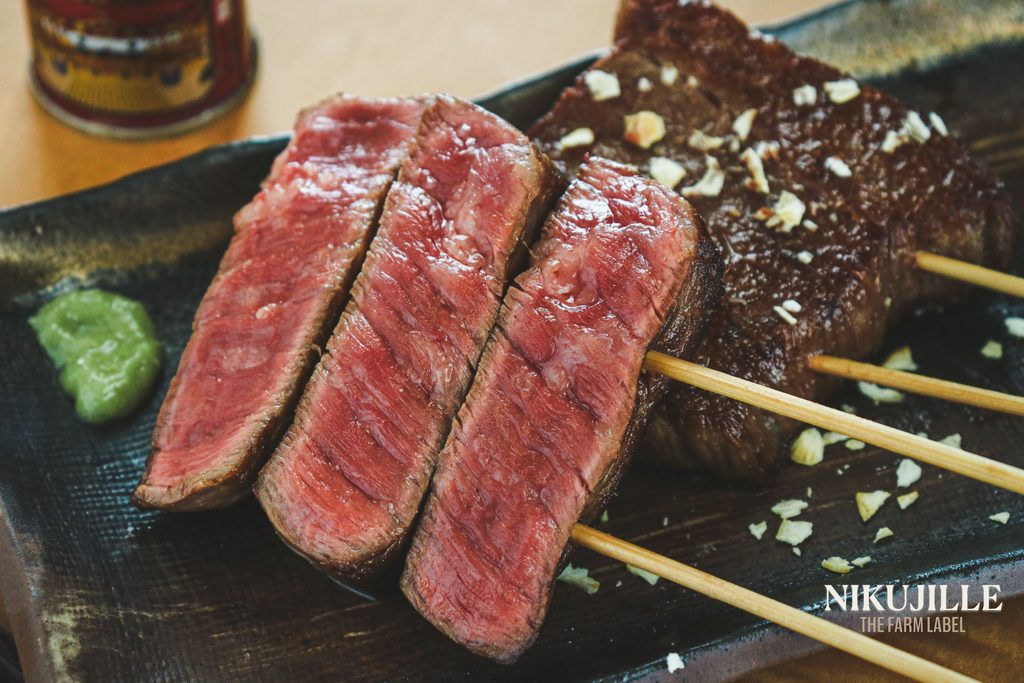
A3: balance, not a consolation prize
A3 gets treated like the entry-level option. It shouldn’t be.
Lower marbling means more of the actual beef comes through, the lean character stays present instead of getting carried by fat. For many dishes, this balance is a major advantage. The flavor and texture of the meat remain present, and the beef can be used in more generous portions without becoming excessively rich.
A3 can work particularly well for dishes that require repeatability, volume, and versatility. Depending on the cut, it may be suitable for yakiniku, shabu-shabu, sukiyaki, steak, burgers, tartare, slow cooking, and other everyday restaurant applications.
It should not be treated as an inferior substitute for A4 or A5. It has a different balance and a different commercial role.
For the right program, A3 may be the most intelligent choice.
A4: richness without losing balance
A4 doesn’t get the marketing A5 gets, but plenty of experienced buyers settle here once they’ve worked with both ends of the scale. Real marbling, real richness, without the price curve going vertical.
For restaurants that want to use Wagyu consistently across several menu items, A4 can offer an effective balance of richness, portion size, customer satisfaction, and commercial sustainability.
However, this does not mean A4 is always the correct choice. Its suitability still depends on the cut, preparation, menu price, and intended customer experience.
A5: the highest classification, for a specific purpose
A5 is the highest quality classification Japan assigns. That’s real, and for the right dish, it can be worth exactly what it costs: a level of marbling and richness that’s genuinely different from anything below it.
But it’s also where price accelerates fastest, and where the smallest slice of your customer base can actually justify ordering it. In a large or thick portion, that much marbling can outrun what the dish needs, and the character of the lean meat can get lost underneath it.
That richness can be highly effective when the dish is designed around it, for example, in a carefully controlled tasting portion or a premium signature item.
The right question isn’t “is A5 the best?” It’s “is A5 the right call for this dish and this customer?”
How we think about this at NIKUJILLE
We’ll say something that might sound strange coming from people who work this closely with Wagyu: we don’t chase A5 as a goal in itself.
NIKUJILLE isn’t a cattle producer; we’re an exporter and brand-building partner, working closely with the people who raise the cattle to connect them with chefs, importers, and distributors around the world. That vantage point matters here, because it means our incentive isn’t to sell you the highest number on a certificate. It’s to help the animal, the cut, and the customer actually line up.
That’s why we’re comfortable selling across A3, A4, and A5 rather than steering everyone toward the top of the sheet. The grade isn’t the pitch. The animal, the producer, the cut, the technique, and the purpose complete the story.
So what should you actually buy?
Ask three questions before the grade even comes up.
What’s the cut, and how is it being cooked? A thin-sliced application built around fat rendering fast wants something different from a thick-cut steak meant to stand on its own. The same grade can perform very differently across different cuts.
Who’s the customer, and what are they paying for? A guest ordering the most expensive item on the menu wants to feel that. A guest ordering a Wagyu-forward dish inside a normal price range wants it to taste right, not necessarily to be the rarest thing on offer.
What does the program need to do every week, not just once? A signature single dish can carry an A5 price. A running menu item across weeks and months usually can’t, and doesn’t need to.
The best Wagyu isn’t the highest grade on the sheet. It’s the one that actually fits what you’re building: the cut, the kitchen, and the customer in front of you. We’d rather help you land on that than sell you the number that sounds most impressive on paper.
