


Halal Wagyu from Miyazaki: Inside the SE Meat Miyazaki Facility
How a family of Miyazaki cattle farmers built a halal plant to bring Japanese Wagyu to the world.
Halal Wagyu from Japan was once almost impossible to find. Picture a dinner table in Doha, Dubai or Jakarta. A plate of Japanese Wagyu arrives, beautifully marbled, tender enough to cut with a fork, rich with that unmistakable sweet aroma. For a long time, many Muslim diners could only imagine that moment.
The Arita family wanted to change that.
A Simple Ambition
The Arita family has been raising Japanese Black cattle in Miyazaki for more than 70 years. Generation after generation, they have built their name on one thing: beef that people remember.
But the family saw that something was missing. Muslims make up around a quarter of the world’s population, yet very few of them could enjoy Japanese Wagyu, not because they didn’t want to, but because it was not produced to halal requirements.
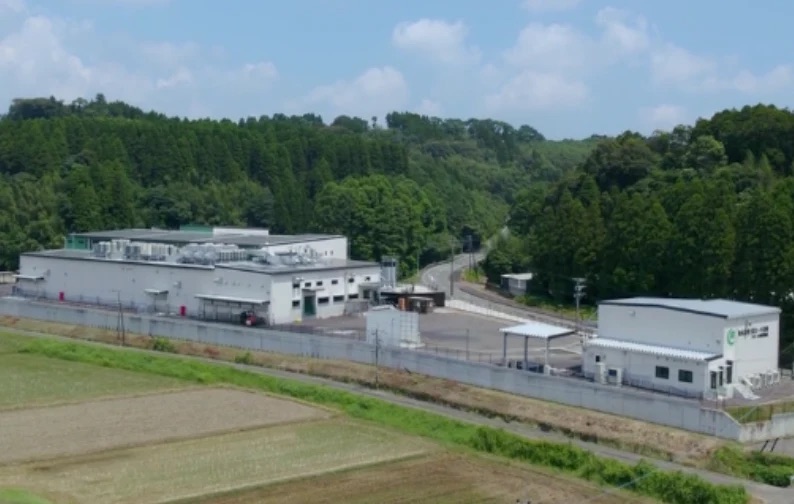
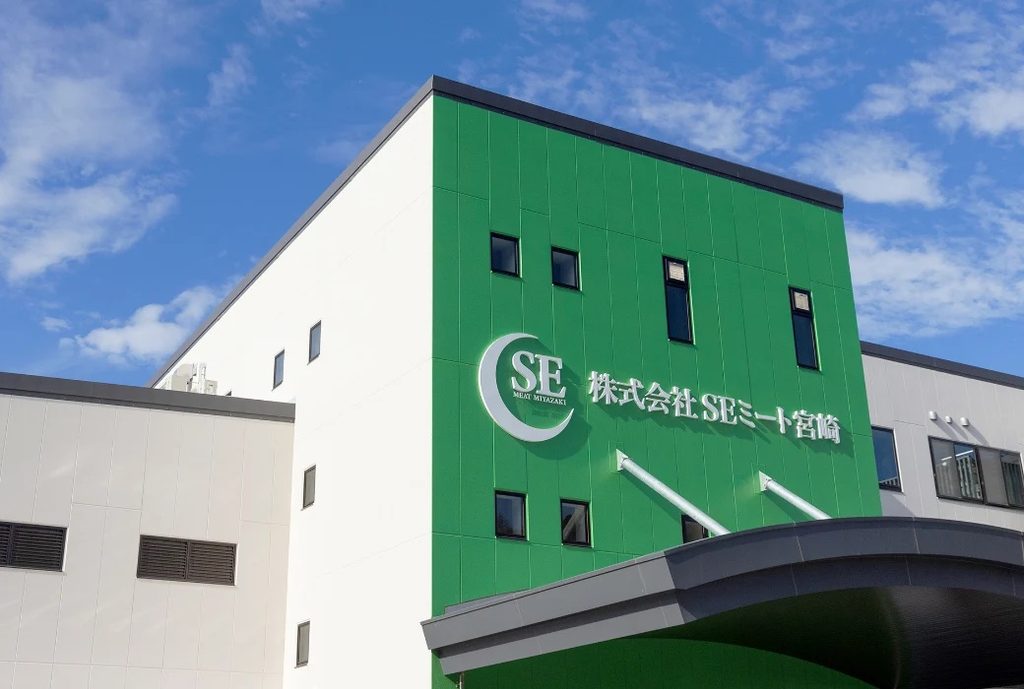
Their answer was SE Meat Miyazaki, a halal beef processing facility in Saito, Miyazaki. The “SE” stands for Scrum Export, and the name says it all. Like a rugby scrum, it was built by people pushing in the same direction: the Arita family and three other local livestock businesses, with support from JA Miyazaki Keizairen and Miyachiku. The goal was simple: let Muslim customers enjoy the Wagyu that Miyazaki is so proud of.
From the Farm to the Plate, in the Same Hands
What makes this story special is how close everything is. The Arita family raises the cattle at Arita Farm, and the beef is processed just down the road at SE Meat Miyazaki.
That means the people who care for the cattle every day are directly connected to the people who prepare the beef for export. For buyers, it means knowing exactly where your Wagyu comes from, who raised it and how it was handled. It is not just beef in a box. It has a story you can tell your customers.
Built for Halal, Built for the World
Building a halal plant in Japan is not easy. The rules are strict, from where the facility can be located to how every step of the process is carried out. When SE Meat Miyazaki was announced, there were only around eight halal-certified slaughterhouses in the whole of Japan.
The facility opened in February 2024. With around 4,500 square metres of floor space, it handles everything from slaughter and carcass processing to cutting, portioning and vacuum packing, with capacity for up to 50 cattle a day.
Halal is not an add-on here. It was the reason the facility was built. SE Meat Miyazaki is halal certified by three organisations:
- Japan Islamic Trust (JIT)
- Majelis Ulama Indonesia (MUI)
- Badan Penyelenggara Jaminan Produk Halal (BPJPH)
It is also certified to ISO 22000:2018 for food safety management.
The First Shipment
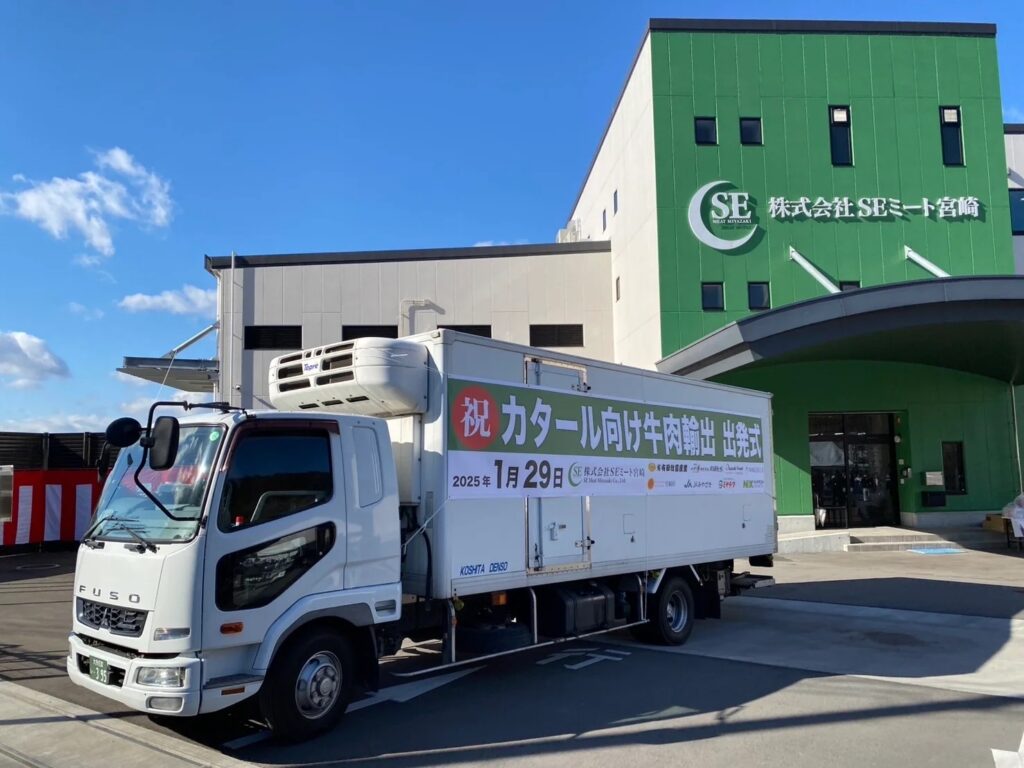
In January 2025, the first shipment of halal Miyazaki beef left Japan for Qatar. For the Arita family, it was proof that the idea worked: Japanese Wagyu could reach Muslim-majority markets without compromise.
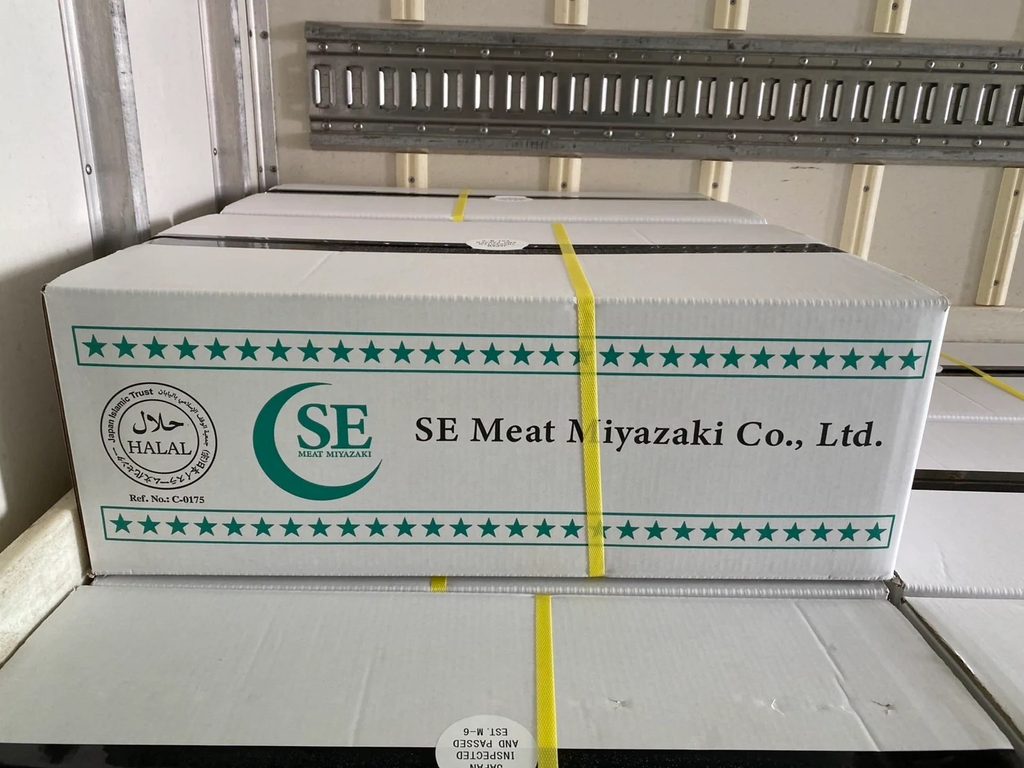
Today, NIKUJILLE exports halal-certified Arita Wagyu from SE Meat Miyazaki to buyers across the Middle East. With a shelf life of 70 days chilled and 1 year frozen, it travels well and arrives ready for restaurants, retailers and distributors.
Why Buyers Choose Halal Arita Wagyu
Authentic Japanese Wagyu. 100% Japanese Black cattle raised in Miyazaki, one of Japan’s most respected Wagyu regions.
A story you can share. One family, connected from farm to processing, with more than 70 years of experience.
Halal from the start. A facility designed around halal production, with three recognised certifications.
Proven in export. Already shipping to the Middle East, with the documents and experience to match.
Bring Halal Japanese Wagyu to Your Customers
Whether you run a restaurant, a retail business or a distribution network, we would love to hear from you. Tell us about your market, the grades and cuts you are looking for and the volumes you have in mind, and our team will help you find the right fit and confirm the certification and export requirements for your country.
[Discuss Your Wagyu Requirements]
From the cattle raised in Miyazaki to the customers enjoying Wagyu around the world, great food begins with the people behind it.
