







Introduction Video
“Devoted care for both people and cattle.”
Kanade Wagyu, raised with deep respect for life and the health of every animal.
Hobo Farm
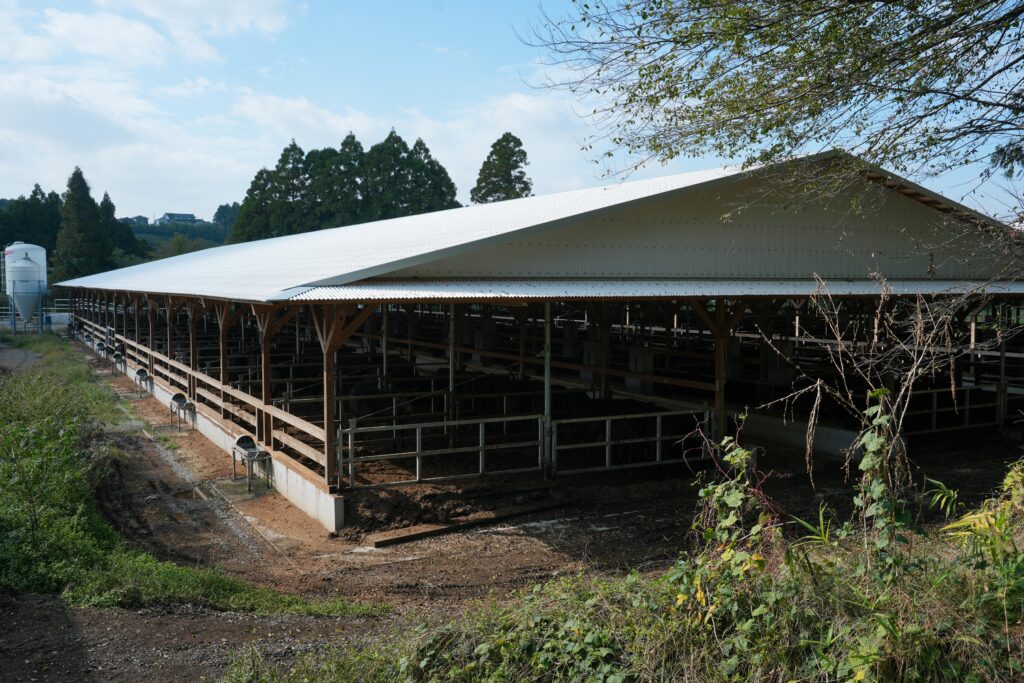
Kanade Wagyu is raised at Hobo Farm in Otu Town, a lush and fertile area in Kumamoto near Mount Aso, often regarded as one of the world’s largest calderas. The farm is surrounded by rich natural landscapes.
The farm’s origins date back generations, beginning as a shoya (village headman) household responsible for managing horses during Japan’s sankin-kōtai era. From the grandfather’s generation onward, the family shifted its focus to full-scale Wagyu breeding and fattening.
Today, under the stewardship of fifth-generation owner Toshiaki Saito, who has carried on the legacy for over 20 years, the farm raises approximately 800 head of cattle.
How Kanade Wagyu Is Raised
The guiding philosophy behind Kanade Wagyu, the Wagyu brand of Hobo Farm, is “deep devotion to both people and cattle.”
Hobo Farm believes that truly exceptional Wagyu can only be produced by sincerely respecting the life and health of each animal, and all of its breeding practices are rooted in this conviction.
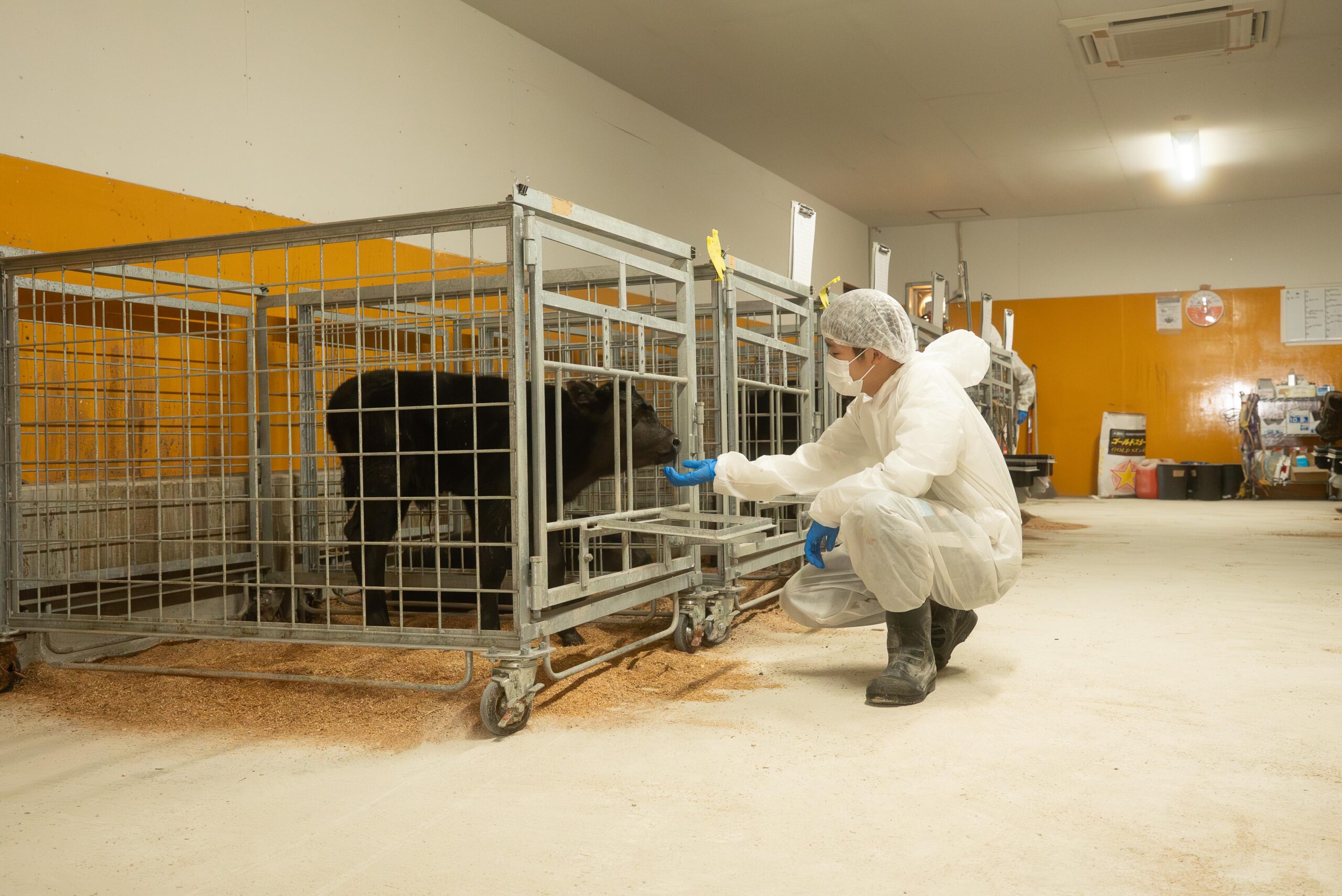
When the farm was renovated, Hobo Farm combined generations of accumulated knowledge and experience with academic collaboration from the Faculty of Agriculture at Kagoshima University to create an ideal cattle-raising environment. One notable initiative is the air-conditioned calf room, a feature that remains rare even nationwide.
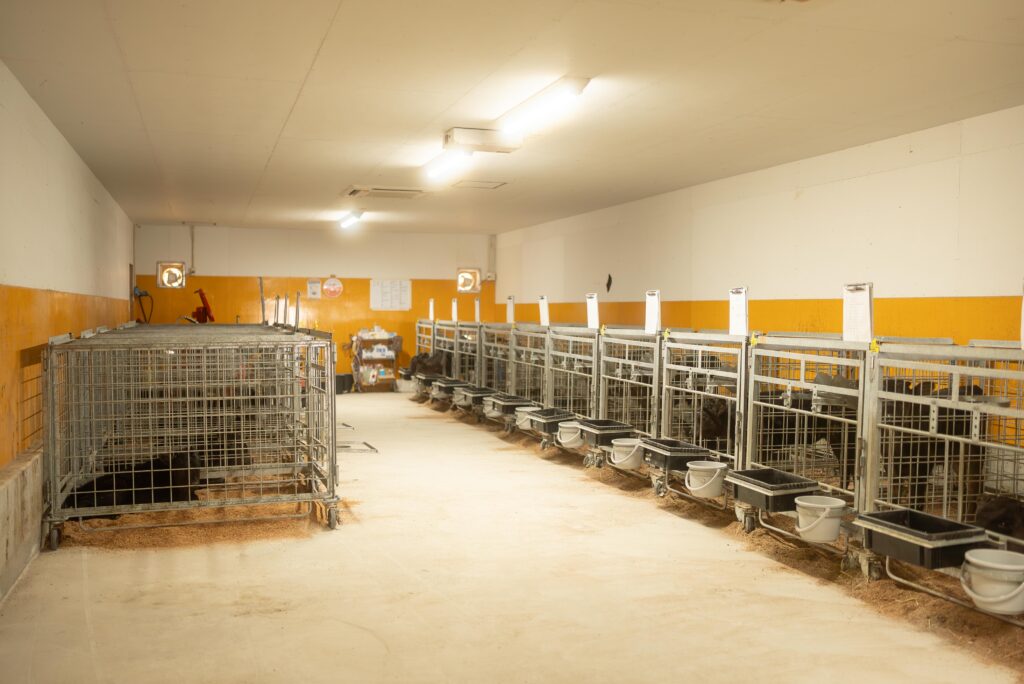
By maintaining a controlled temperature of 18–25°C (64–77°F) for calves aged 0 to 1.5 months, adjusted seasonally, Hobo Farm has achieved a zero mortality rate since introducing this system (as of December 2025). This optimal temperature management has also significantly increased feed intake, enabling calves to grow healthy and strong without the use of monensin or hormonal agents.
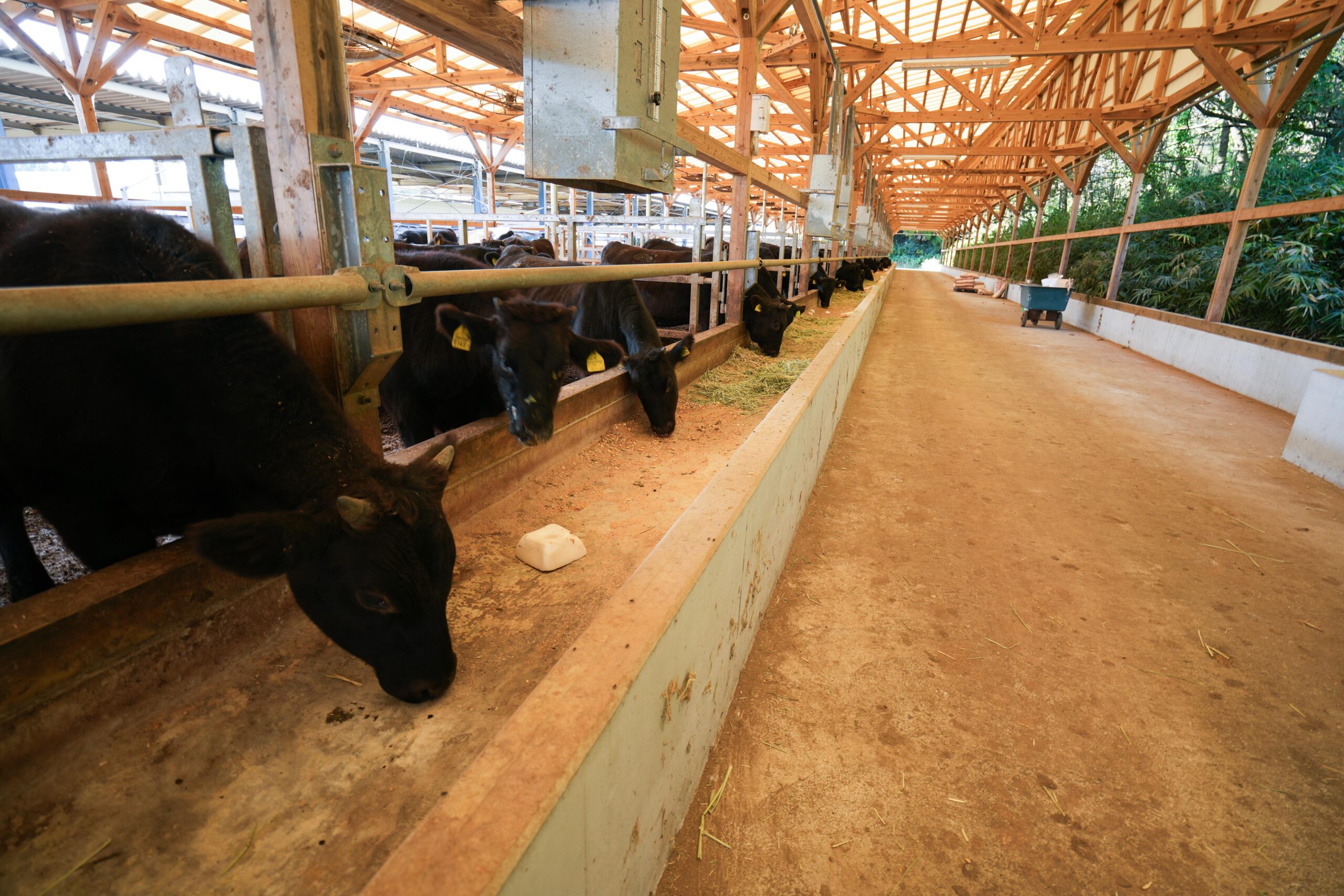
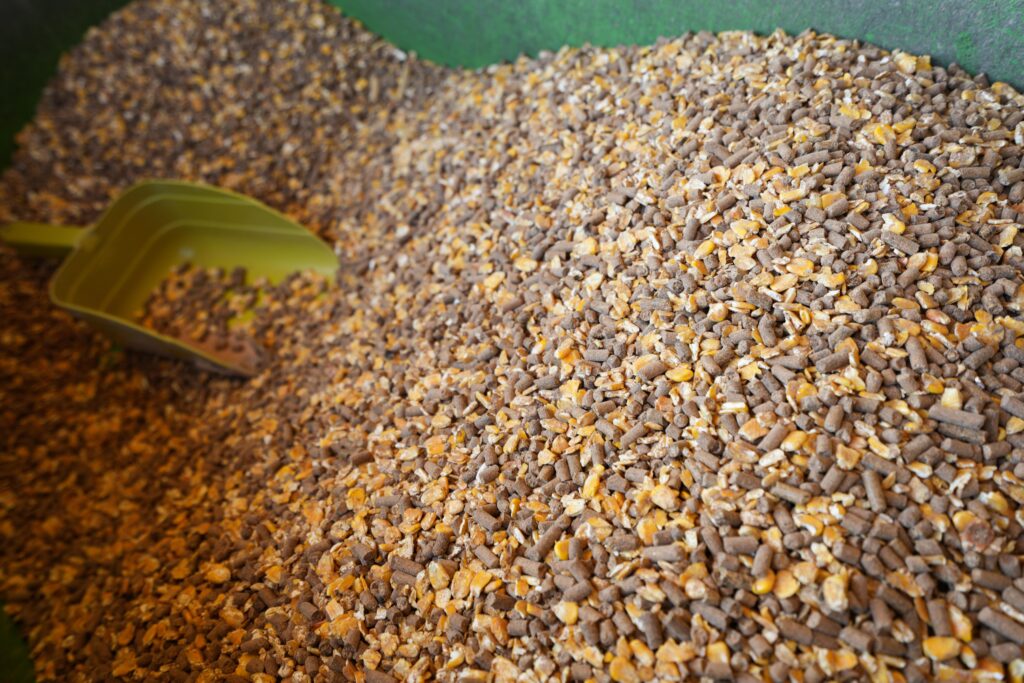
The feed is carefully formulated by blending homemade feed made from high-sugar broken rice intended for human consumption with forage grasses grown on the farm itself. This approach contributes to one of Kanade Wagyu’s defining characteristics: a rich sweetness even in the fat. For water, the cattle are raised using pure natural spring water drawn from underground sources.
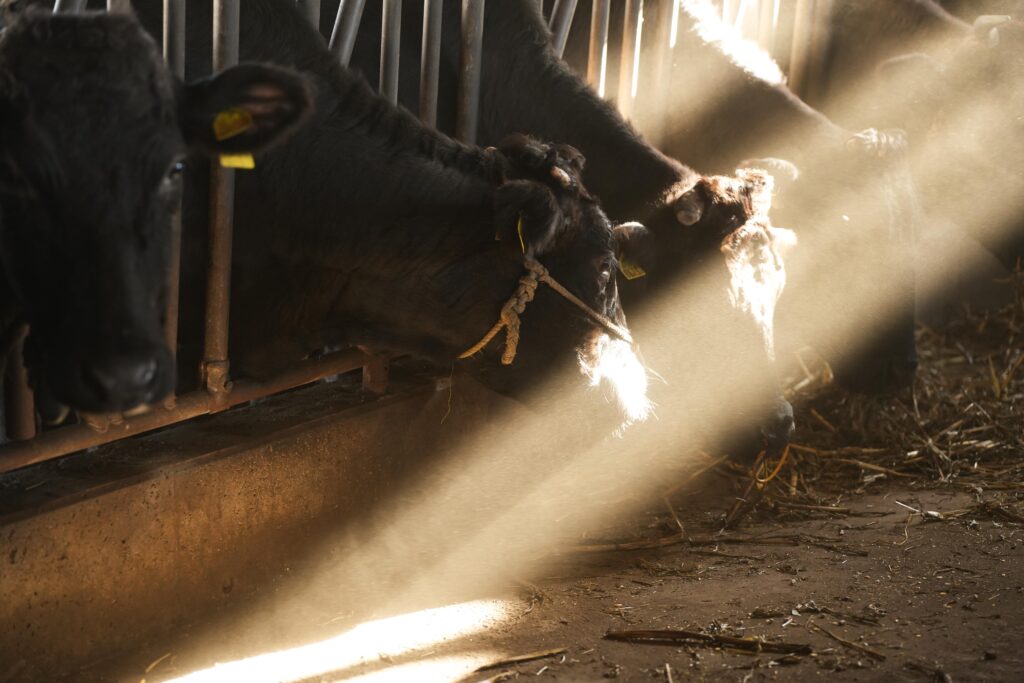
In addition, numerous measures are implemented throughout Hobo Farm to support stress-free, healthy growth. These include barn layouts designed with prevailing wind directions in mind to reduce the risk of infectious diseases, as well as specially designed water cups that allow every cow easy access to drinking water without obstruction.
Automatic feeding systems are also utilized.
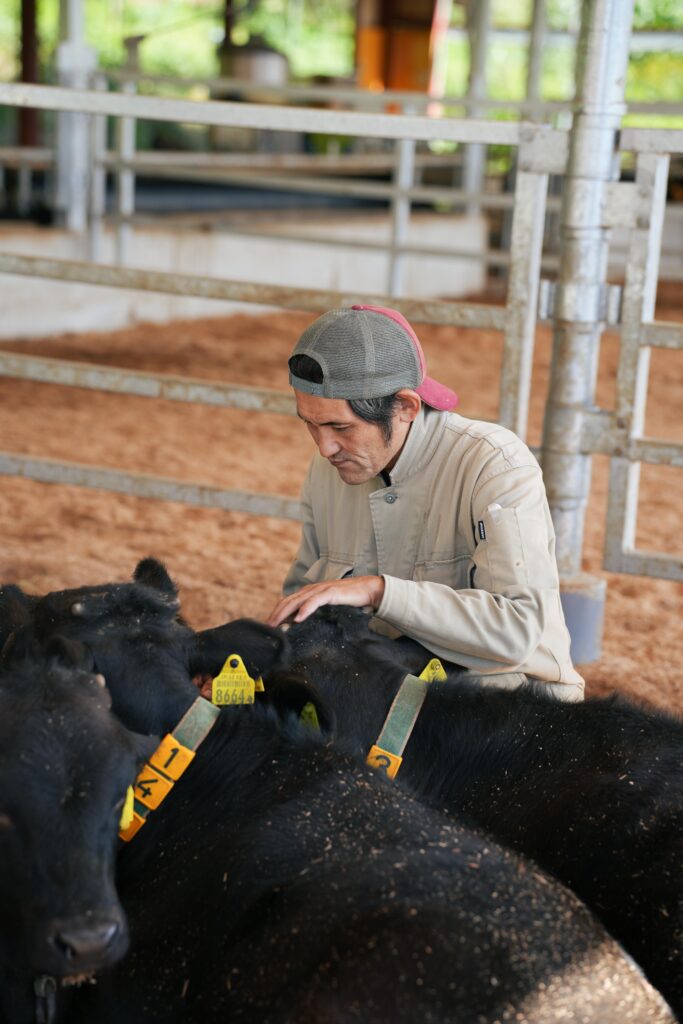
“Being consumed by daily tasks and losing sight of the cattle is the greatest loss,” says Mr. Saito. “I want to devote my time to what truly matters—observing the cattle and engaging with their environment.” By carefully watching posture, facial expressions, and subtle behavioral changes, he monitors each animal’s condition and safeguards their health every day.
The Flavor of Kanade Wagyu
Kanade Wagyu embodies the philosophy of “deep devotion to both people and cattle.”
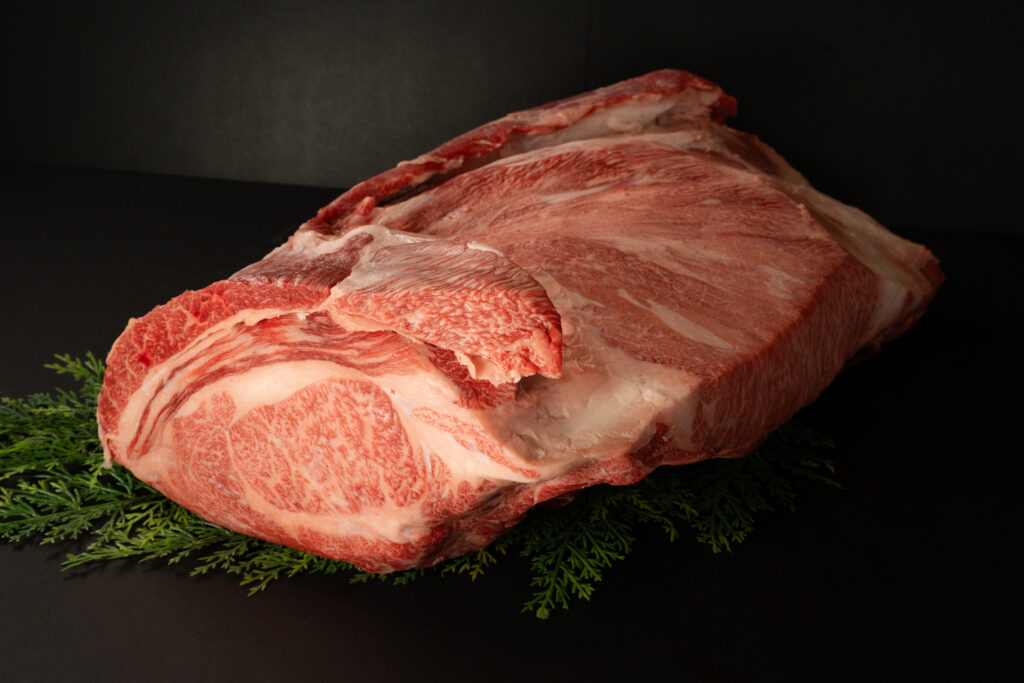
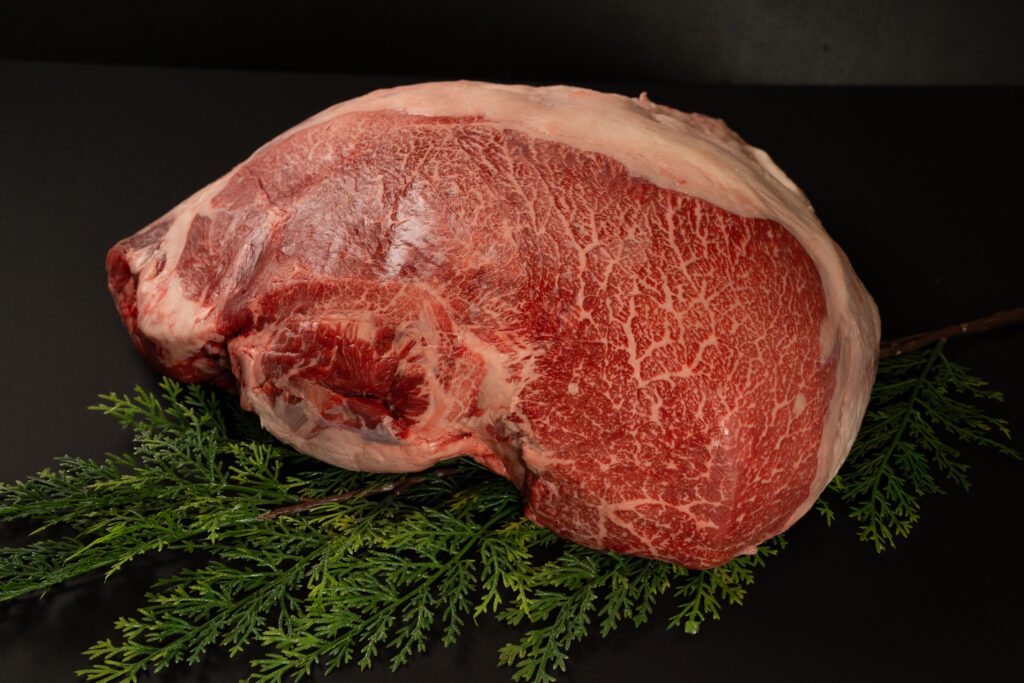
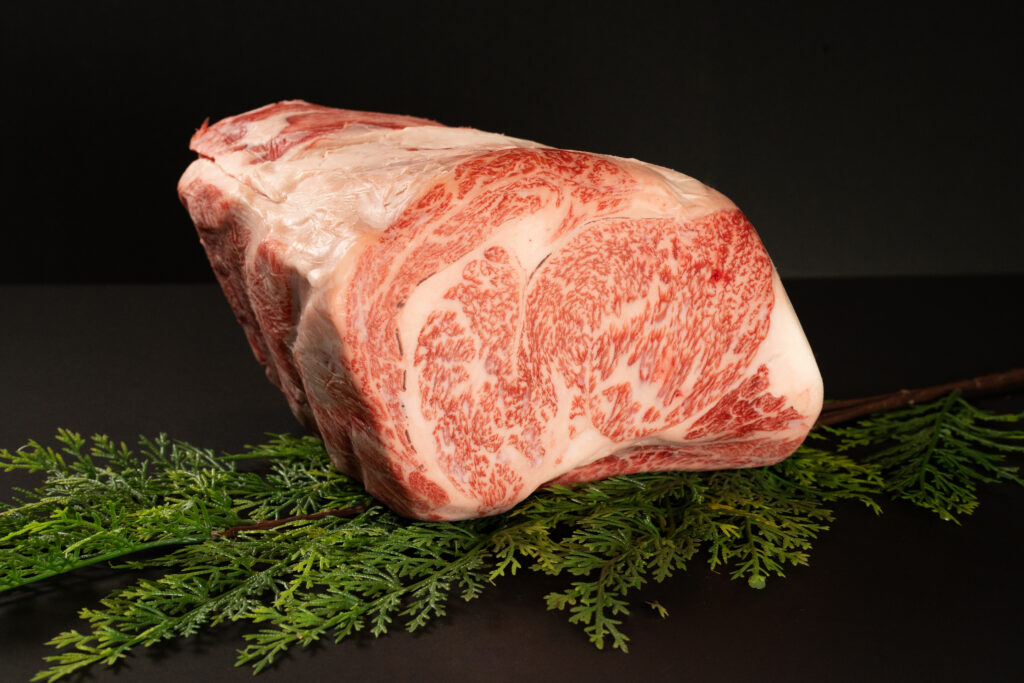
Without the use of monensin or hormonal agents of any kind, it achieves beautifully refined marbling rated A5 (BMS: 8–12), along with a flavor distinguished by a gentle sweetness that extends even into the fat.
At the heart of Kanade Wagyu lies Mr. Saito’s belief:
“If the way we raise our cattle can ultimately bring smiles to people’s faces.”
This conviction guides every step of the process and is reflected in the quality of the beef itself.
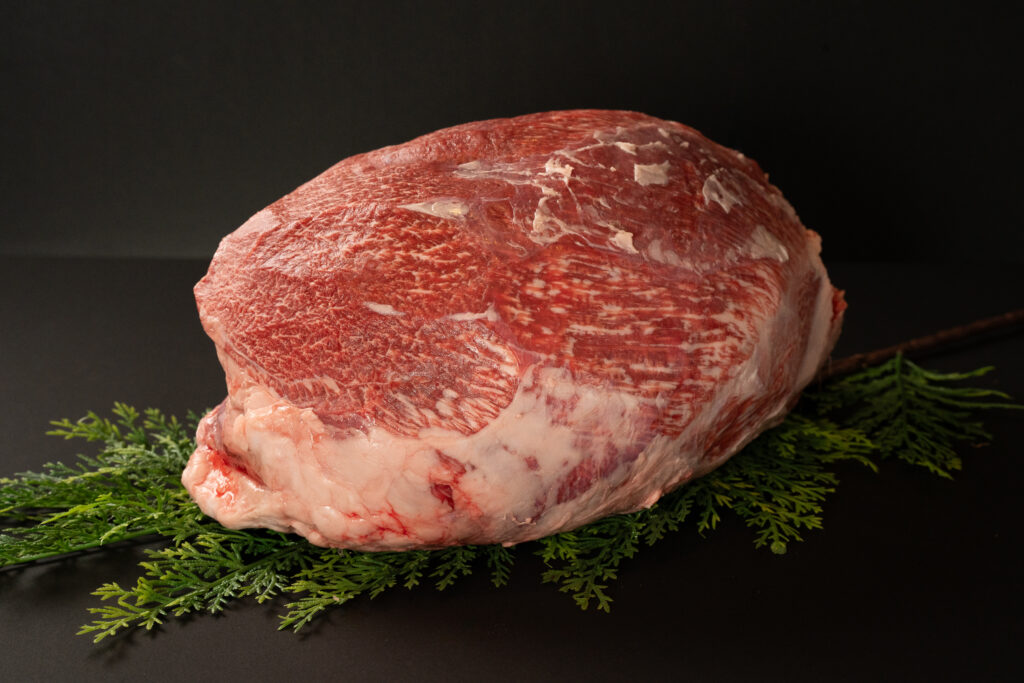
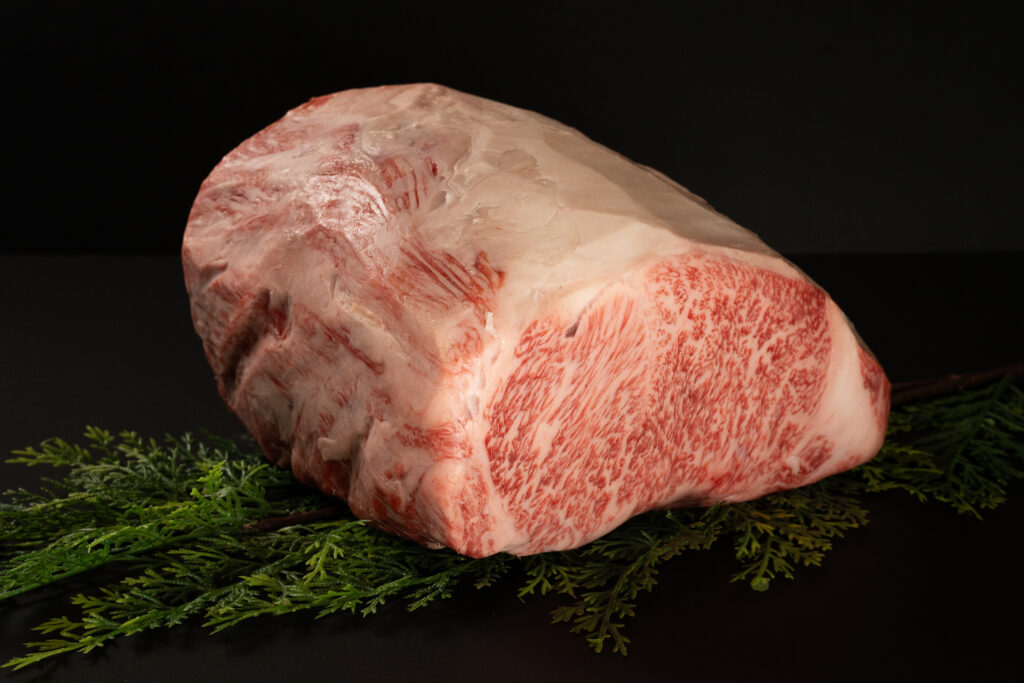
Ribeye
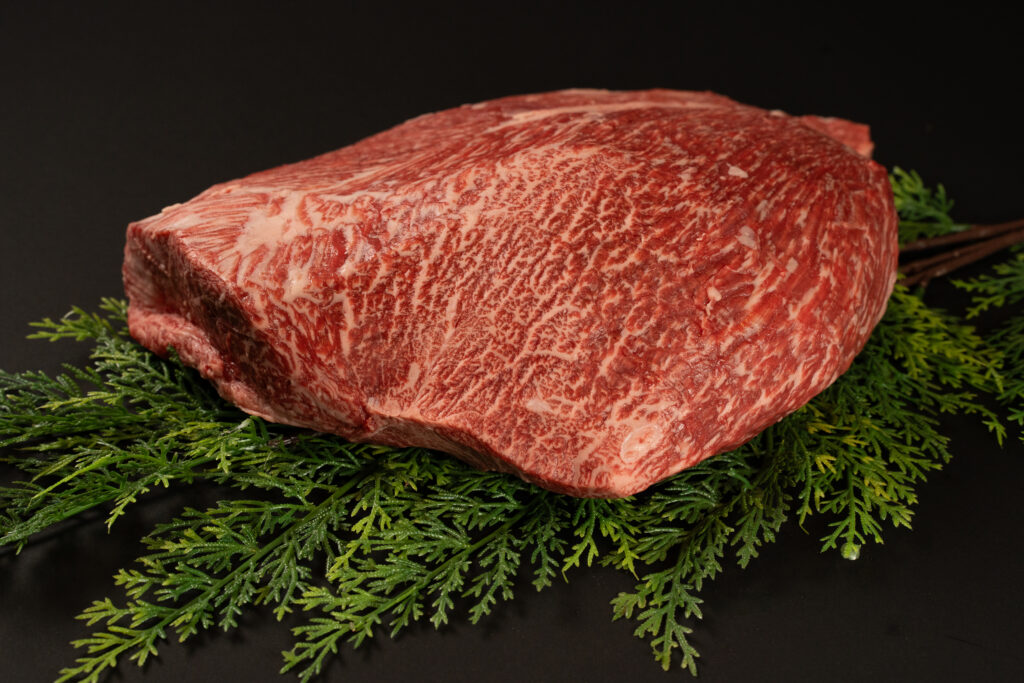
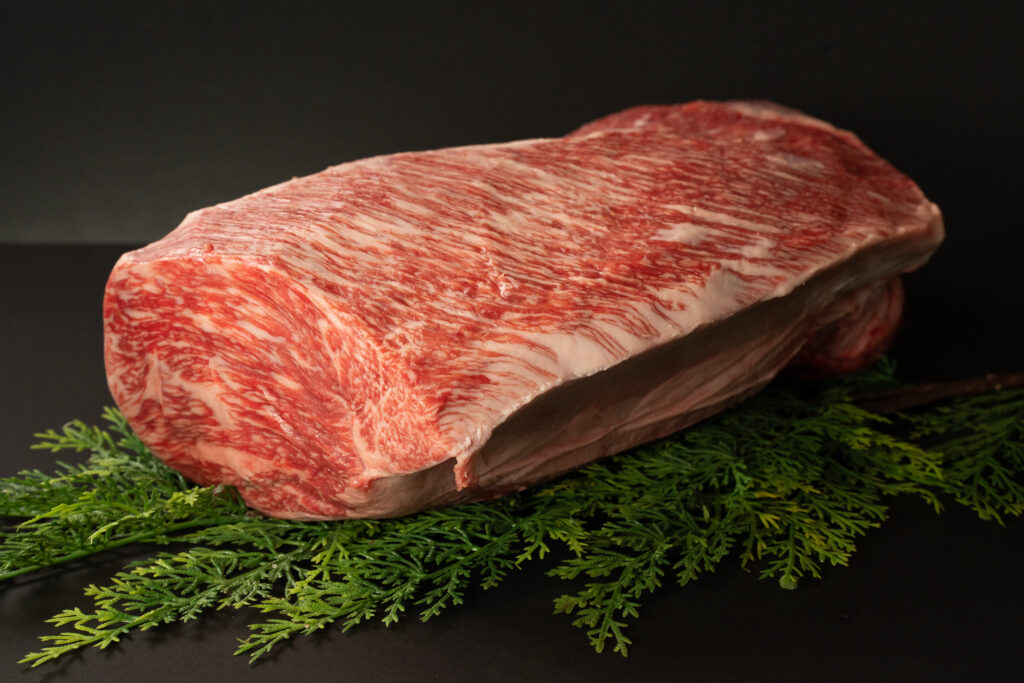
Basic Information
| Brand Name | KANADE WAGYU |
|---|---|
| Region of Origin | Kumamoto |
| Farm | Hobo farm |
Specifications
| Grade | A4-5 |
|---|---|
| Supply Capacity | 10 a month |
| Minimum Order | 200kg〜 |
| Lead Time | Ships within 1 month after order |
| Awards & Recognition | Gold Metal at World Steak Challenge 2026. Winner of the Kumamoto Prefectural Carcass Competition Grand Champion title three times, and recipient of the Minister of Agriculture, Forestry and Fisheries Award. |